Whoa! I stumbled on Solana metrics and felt both curious and annoyed. My first impression was that block explorers often hide context. Something felt off about the data presentation until I chased logs. Initially I thought block explorers were interchangeable, but after digging into instruction decoding, account balances over time, and decoded program logs I realized good analytics actually change how you identify transfer chains and provenance during mint drops.
Seriously? Yeah, the practical difference is tangible for traders and devs alike. Solscan surfaces on-chain events, timestamps, and program logs in readable form. That matters when you run bots, research NFT drops, or audit token flows. On one hand explorers that only show balances make cursory checks possible, though actually the ability to see instruction-level detail, origin programs, and clustered wallet behavior gives you analytic leverage that saves hours during incident response.
Hmm… My instinct said there should be quicker ways to spot rug-like behavior. So I filtered for rapid mint-to-sell patterns and tight wallet clusters. That revealed red flags in small collections that I follow closely. Initially I suspected false positives until I cross-referenced signature traces and decoded instructions, at which point patterns of obfuscation became clear and I could map suspicious flows through intermediary program-derived addresses.
Here’s the thing. The solscan explorer became a quick go-to for my team. We used it for indexer sanity checks and to verify program-derived addresses while integrating new wallet flows, which reduced mismatches during testnets and lowered surprise errors on mainnet. Actually, wait—let me rephrase that: it’s not a magic bullet, but combined with local indexers, CSV exports, and a few heuristics it can cut investigation time by hours and reduce false positives when monitoring NFT mint queues and bot activity.
Wow! The NFT tracker highlights floor shifts and concentrated holder movement in a neat UI, somethin’ I didn’t expect. That visualization let me catch an off-market selloff early, which saved a collector from panic selling, and showed how a handful of wallets can temporarily depress floor prices. On the technical side the use of program logs, decoded instructions, and signature traces helps auditors and curious collectors understand fee flows, royalty splits, and execution paths that are otherwise obscured in raw transaction blobs.
Seriously. Not everything is perfect; filters can be hidden and mobile feels clunky. That part bugs me, since a lot of users check drops on phones. On one hand the desktop UI gives deep exportable analytics and address clustering, and on the other hand onboarding less technical users could be smoother with tooltips and guided workflows. For developers, watching RPC latency and confirmed versus processed block metrics is crucial because it reveals how marketplace activity and compute-heavy programs influence fee spikes and deadline misses during high-traffic drops.
Practical tips and where to be careful
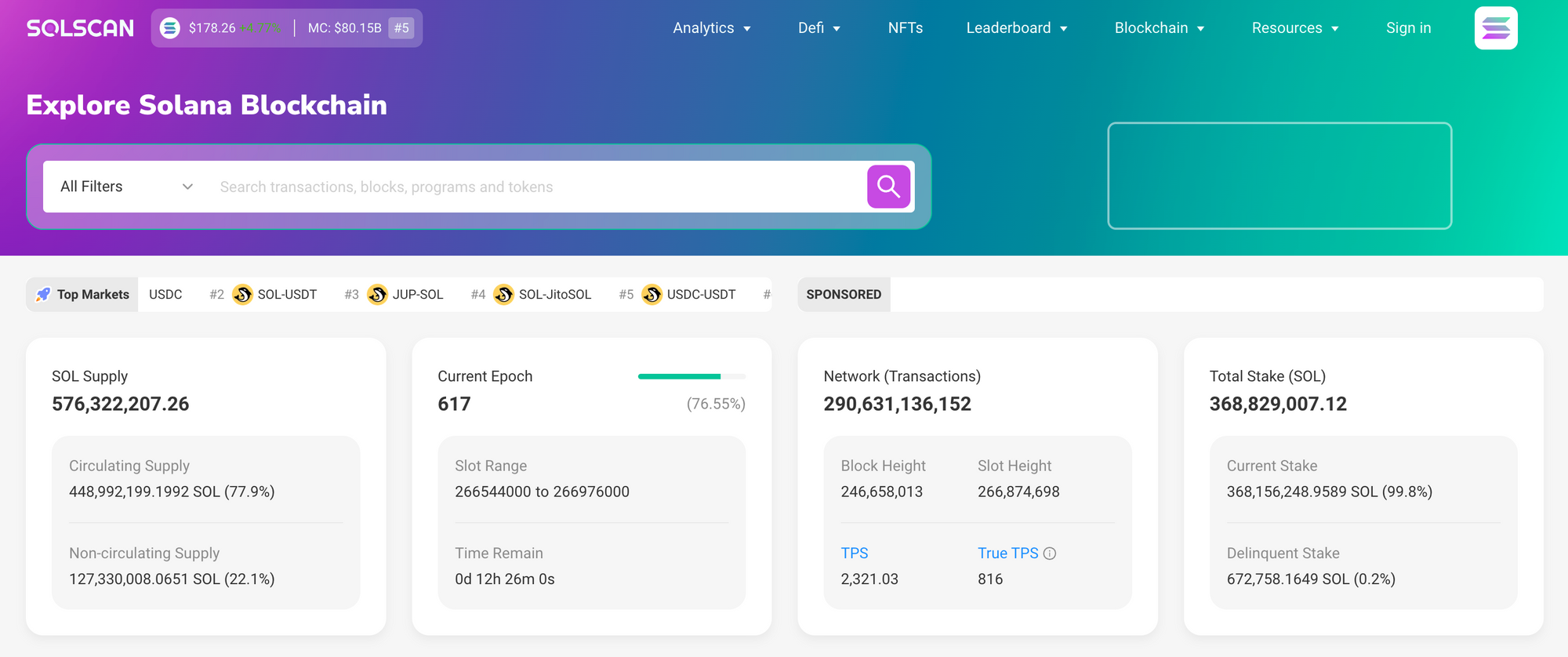
If you want a place to start, check the solscan explorer official site for decoded instruction views and token holder distributions; they’re the fastest way to turn a vague hunch into actionable data. I’m biased, but bookmark program logs, signature traces, and the holder clustering views. Use CSV exports when you need to cross-check with your own indexer. And remember: no single tool catches everything — combine on-chain evidence with social signals and on-chain heuristics to avoid chasing noise.
FAQ
How reliable is Solscan for NFT provenance?
Pretty reliable for tracing transactions and decoded instructions, though provenance can be complicated by wrapped assets and cross-program transfers; always corroborate with mint program logs and off-chain metadata when possible.
Can I use Solscan for monitoring drops and bot activity?
Yes — use the NFT tracker, instruction traces, and holder concentration graphs to spot patterns, but pair those with your own alerting to handle spikes and RPC latency delays. It’ll save you time, though you’ll still need to tune thresholds for false positives.