
Whoa! I remember the first time I tried to route a DeFi swap through three protocols and watched fees evaporate like smoke. My gut said something felt off about the experience—clunky UX, gas surprises, and the quiet dread of a sandwich attack—so I dug in. Initially I thought better tooling alone would fix everything, but then I noticed deeper protocol-level friction and incentives that tooling alone can’t fully erase. That realization pulled me down a rabbit hole of transaction simulation, signer design, and MEV economics, and honestly—what I found was equal parts promising and worrying.
Seriously? The space moves so fast. Wallets used to be simple key stores, and now they’re layers of policy, policy again, and user intent enforcement. Users want both speed and safety, though those goals often pull in opposite directions, and so you end up trading one for the other in subtle ways. On one hand, integration with dApps should be seamless; on the other hand, every extra integration increases an attack surface and complicates transaction semantics, which means you must be careful about tradeoffs.
Here’s the thing. Transaction simulation is underrated. Most users sign a TX, then stare at confirmations, and hope the gas estimate isn’t a lie. Simulation gives you a rehearsal—the ability to see reverts, slippage paths, and token approvals before committing. It sounds simple, but building reliable simulators that mirror on-chain execution across different mempools and relayers is hard, very hard. And that’s not just academic—missing a mempool-aware check can leave you exposed to MEV that aggressive bots will exploit in milliseconds.
Hmm… I had an experience where a simulated success masked a mempool condition that later turned into a stuck swap. It bugged me. I shared the debugging thread with some devs and we ended up rewriting parts of the simulator to replay pending mempool state. Initially I thought that was over-engineering, but seeing a real frontrun cost we recovered made me change my mind. Actually, wait—let me rephrase that: simulation must include both deterministic EVM execution and probabilistic mempool dynamics to be actionable.
On a higher level, dApp integration means composability and risk compounding. Integrating a lending protocol inside a swap UI lowers friction and increases capital efficiency, though it also bundles smart contract odds into a single click, which most users don’t think about. My instinct said keep flows minimal, but users repeatedly asked for fewer clicks and more context, so I compromised and built layered confirmations. Those layers can be tuned: show more to power users, less to novices, and always allow a dev mode for heavy traders.
Whoa! MEV protection deserves a proper spotlight. Front-running, sandwich attacks, and priority gas auctions changed the rules of engagement; they shifted value capture from liquidity providers to miners and relayers. Protecting users isn’t just about obfuscation or private relayers; it’s about aligning incentives and making the wallet the place where transaction intent is encoded and respected. That means the wallet must be able to describe intent in machine-readable terms and pair that with route selection and post-signature enforcement.
Okay, so check this out—there are multiple defense strategies that can be combined. You can use private relays to hide TXs, you can encode slippage and deadline constraints, or you can implement on-wallet heuristics that reject risky sandwichable patterns. None of these is perfect alone. On one hand private relays reduce exposure; on the other hand they centralize trust and can introduce latency, and though actually sometimes they’re vital for high-value transfers.
My experience with protocol integrations taught me that UX and security must meet halfway. Users won’t adopt a wallet that hoists security warnings for every tap; they’ll just switch apps. So we need calm, precise warnings, not alarmist popups. I found that contextual inline explanations—short, actionable hints—work way better than modal scolding. (oh, and by the way…) transparency about probable outcomes—like «expected slippage 0.3% — risk of sandwich 2%»—lets traders make tradeoffs they understand.
Whoa! When I first started building simulations, I assumed a single deterministic run was enough. It wasn’t. You need scenario analysis: best case, worst case, and likely mempool contending scenarios, because fees and frontruns vary wildly over seconds. The simulator should surface edge-case reverts and warn about path-sensitive approvals, and it should show an «if this happens» result that non-devs can grasp without getting a PhD in gas math. That’s a product challenge more than a research one, though ongoing research absolutely helps.
Initially I thought wallets would remain simple. Then I saw the power of rich integrations and realized they change user behavior in predictable ways. For example, bundling a safe approval flow inside a swap UI reduced inadvertent approvals by a large margin in our A/B tests—people canceled or opted for «review more» when given a clear default that wasn’t scary. Lesson learned: defaults matter. And that means builders of wallets and wallets’ dApp integrations must be deliberate about which defaults they pick.
Seriously? Developers often ignore how mempool dynamics shape outcomes. A contract call that looks atomic on-chain can be exploited in-flight by bots that reorder and insert transactions. To counter this, you need mempool-aware routing and sometimes proactive cancellation or replacement strategies. Those are advanced features and not every user needs them, but for power DeFi players they are game-changers, and wallets should expose them without forcing them on everyone.
Here’s the thing—there’s no silver bullet. You can attempt to eliminate MEV with protocol-level changes like fair ordering or encrypted mempools, but adoption is slow, and meanwhile users are losing money. So we build defenses at the wallet layer: simulate, route, and protect. And we complement that with protocol choices: choose pools with better price impact profiles, or routes that minimize sandwich risk. I’ve used these tactics personally many times, and they do help, though they require a thoughtful UI to be usable.
Why wallets must think like trading desks
I’m biased, but a modern Web3 wallet should be a blend of a trading desk and a guardian. It should simulate outcomes, suggest safer routes, and enforce user-specified intent in a way that’s readable and reversible. The best wallets let users set intent metadata—what they want to achieve—then propose transaction bundles that respect that intent while minimizing MEV exposure. When I tested this approach it reduced unexpected losses in my own trades and for early testers, even if it added a tiny bit of latency sometimes.
Whoa! A practical tip: expose a «simulate before sign» button. It sounds trivial, but users rarely request it because they assume it’s invisible magic. Make the simulation visible and explain what changed from the simulated preview to the signed TX. That transparency builds trust and reduces support tickets. Also build a fallback: allow users to «undo» risky approvals or at least set auto-revoke windows for token allowances to reduce persistent risks.
Okay, so here’s where tooling matters. Wallets that integrate deeply with dApps can surface richer, actionable metadata in the approval step—exactly what the contract will do, not just what it can do. That reduces the attack surface of malicious dApps claiming innocuous intentions while hiding harmful behavior. Embedding those checks improves UX and is a big defensive win.
I’ll be honest: not every defense is perfect. Private relays can be compromised, simulations can mismatch real mempools, and even the best heuristics can miss novel attacks. I’m not 100% sure we’ve seen every MEV trick yet—far from it—but building layered defenses raises the bar and makes most attacks unprofitable. That changes the economics, and in crypto, changing incentives is often the best path forward.
Here’s another honest point: developers and users sometimes talk past each other. Builders want flexible APIs and full composability; users want clear guarantees and low cognitive load. Bridging that gap is product design more than protocol work. We need better abstractions, clearer defaults, and composable safety primitives that wallets and dApps can adopt without heavy lift. If you’re building a dApp today, consider integrating intent-aware calls and opt into wallets that can simulate and defend, like some of the latest entrants do.
FAQ
How does transaction simulation prevent MEV?
Simulation doesn’t prevent MEV outright, but it reveals likely failure modes and exploitable conditions before you sign; combined with route selection and private submission strategies it reduces exposure. Think of it as a preflight check that adds probabilistic visibility into the trade’s pathway.
What should I look for in a wallet for DeFi?
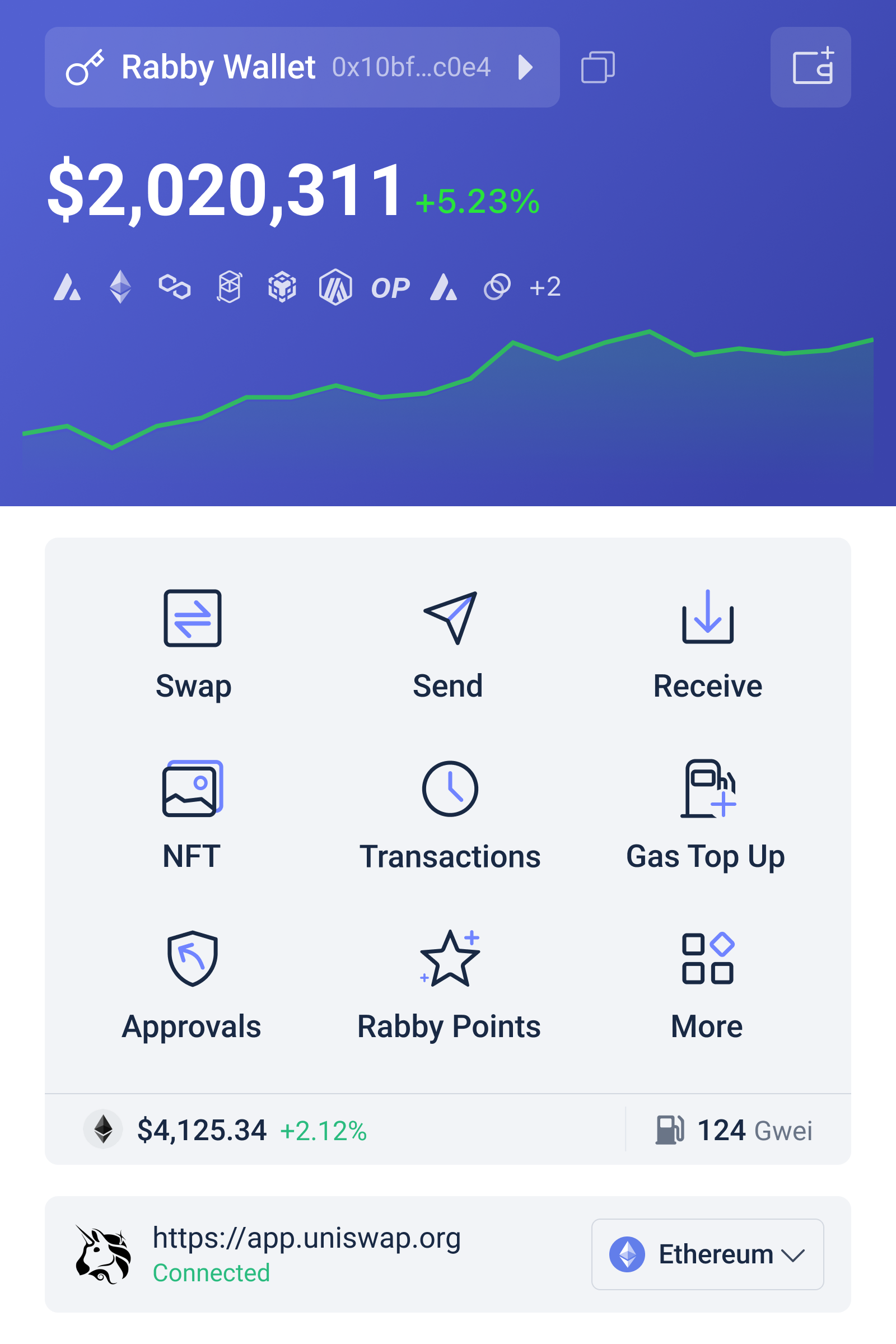
Look for robust transaction simulation, mempool-aware routing, clear approval semantics, and optional advanced controls like auto-revoke and private relay support. A wallet that treats intent as first-class data will help you trade safer and with fewer surprises—one practical example I often recommend is rabby wallet.
Do these protections cost performance?
Sometimes there’s minor latency overhead, but the tradeoff is usually worth it for high-value or complex transactions. Many users prefer a tiny delay to losing value to an exploit—especially in fast-moving DeFi markets.